What is Tsubame-Sanjo? A Complete Guide to Niigata's Metal Craft, Cutlery, and Must-Buy Brands
分享
A Japanese kitchen knife, a polished spoon, a camping mug—you may see "Tsubame-Sanjo" appear on the packaging of these items. Many people assume it is a city, but in reality, Tsubame-Sanjo is a metalworking industrial zone formed by the cities of Tsubame and Sanjo in Niigata Prefecture.
The simplest way to distinguish them is: Tsubame is skilled at refining metal to be delicate and beautiful, while Sanjo is skilled at forging tools to be sturdy and practical. However, enterprises in both areas have long collaborated; design, mold-making, stamping, forging, grinding, welding, and surface treatment are often completed by multiple specialized workshops working together.
The place of origin, materials, and manufacturing processes of a brand should be based on product labels and brand information. "Made in Tsubame-Sanjo" or "Made in Japan" is not necessarily the same as the company headquarters being located there, and one should not mistake global market share statistics—which lack consistent criteria—for precise facts.
Where is Tsubame-Sanjo? Why is it a single name?
Tsubame and Sanjo are located in the central part of Niigata Prefecture, along the Shinano River. While adjacent, they are independent cities. "Tsubame-Sanjo" is often used to refer to the collective industrial circle and also appears in the name of the Joetsu Shinkansen's Tsubame-Sanjo Station; nearby, there is also the Sanjo-Tsubame Interchange on the Hokuriku Expressway.
Interestingly, the station name places "Tsubame" before "Sanjo," while the interchange name does the opposite. This serves as a reminder to travelers: Tsubame-Sanjo is not a merged administrative city, but a regional brand spanning both cities.
What are the differences between Tsubame and Sanjo?
| Region | Traditional Strengths | Common Products |
|---|---|---|
| Tsubame City | Western-style metal tableware, vessels, stamping, grinding | Spoons, forks, knives, pots, mugs |
| Sanjo City | Forging, blades, tools, hardware | Kitchen knives, pliers, scissors, farm tools, woodworking tools |
| Tsubame-Sanjo Industrial Circle | Collaboration between enterprises and specialized workshops | Kitchenware, medical parts, outdoor gear, precision components |
This is a general overview for understanding history, not a rigid boundary for today. Tsubame also has knife and outdoor brands, and Sanjo produces kitchenware and precision-machined goods.
Historical Origins: The "Wa-kugi" (Japanese Nails) of the Edo Period
The Tsubame-Sanjo metal industry is often traced back to the Edo period. Frequent flooding along the Shinano River made farmers' incomes unstable, leading the region to promote the manufacture of architectural iron nails (wa-kugi) as a side business. Starting from forging iron materials, craftsmen gradually developed skills in hammered copperware, blades, farm tools, and various metal processing techniques.
As construction technologies and markets changed, relying solely on nails could no longer support the industry. Craftsmen transferred their forging, shaping, and grinding capabilities to knives, tools, vessels, and Western-style tableware, forming today's industrial cluster.
Tsubame City: From Nails to the World's Dining Tables
Following the Westernization of Japan's diet in the modern era, Tsubame gradually developed its Western-style metal tableware industry. Spoons, forks, and knives may look simple, but they actually involve material cutting, stamping, shaping, grinding, deburring, and surface treatment.
Tsubame is often promoted as a major production site for Japanese metal tableware, and some sources cite high domestic or global production shares. However, because statistical criteria for "production volume," "shipment value," "OEM," and "high-end tableware" vary, it is more accurate to say that Tsubame is one of Japan's most representative regions for metal tableware production.
Why is grinding important?
High-end tableware requires more than just shine. Craftsmen must handle edges, curves, gaps between fork tines, and handles to prevent cuts and ensure a uniform luster. Mirror, matte, hairline, and localized polishing finishes alter the tactile feel, scratch resistance, and visual appearance.
What is hammered copperware?
Hammered copperware is formed by repeatedly striking copper sheets with hammers. Craftsmen control the metal's expansion, thickness, and hammer marks, followed by annealing, joining, and coloring. Gyokusendo is one of the famous Tsubame brands for hammered copperware, with their products focusing on material, manual shaping, and the change in color over long-term use.
Sanjo City: From Forging to Blades and Tools
Sanjo's forging culture is known for practical tools. Knives, pliers, chisels, shears, farm tools, and woodworking tools all require a focus on edge retention, hardness, toughness, and ergonomic balance.
What is forging?
Forging involves heating or applying pressure to metal, then shaping it with hammers, molds, or machinery. While it improves shape and material structure, "forged" does not automatically equate to the highest quality; heat treatment, grinding, design, steel type, and intended use are equally important.
Does a good knife depend only on the steel?
No. Steel determines some aspects of hardness, rust resistance, and sharpening characteristics, while heat treatment affects performance, and blade geometry determines cutting feel. The handle, center of gravity, intended use, and user maintenance also change the actual experience.
Is "one city for strength, one city for beauty" accurate?
This saying is suitable for beginners: Sanjo highlights forged tools, and Tsubame highlights vessels and polishing. But their true strength lies in the networking of labor. A single product might be designed by one company, molded by another, and then processed through stamping, welding, grinding, and packaging by several different workshops.
This industrial cluster allows small workshops to focus on a single process and allows brands to rapidly combine different technologies. What the consumer sees is a finished product, but behind it may be a cross-company collaborative chain.
What are some representative products of Tsubame-Sanjo?
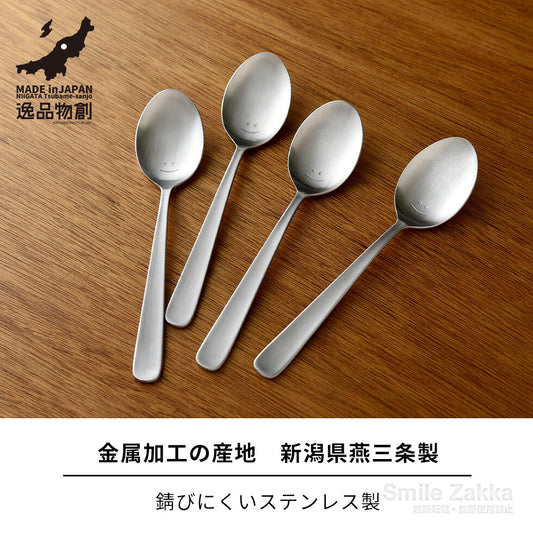
- Western Tableware: Spoons, forks, knives, dessert spoons, and hotel cutlery.
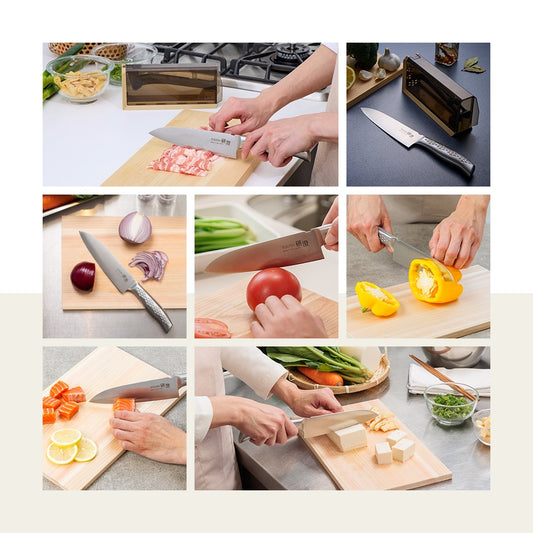
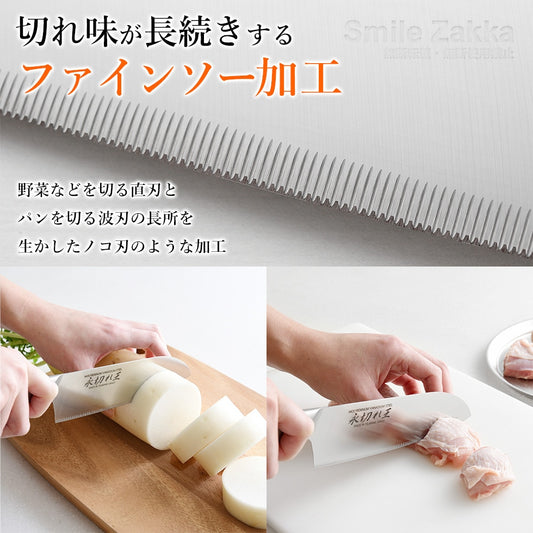
- Kitchen Knives: Santoku, Gyuto, Nakiri, bread knives, and professional blades.
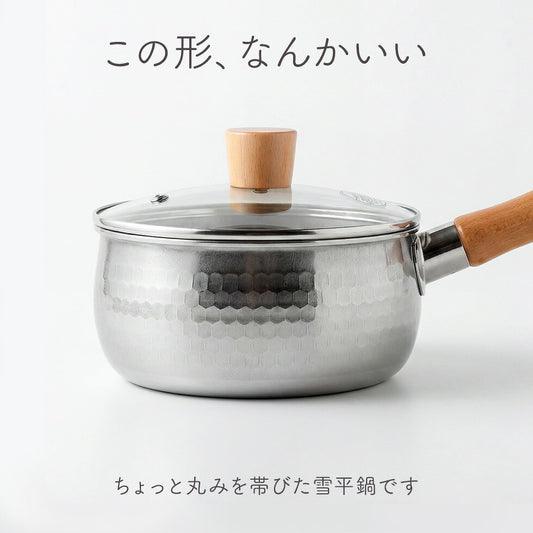
- Pots and Pans: Stainless steel pots, Yukihira pans, frying pans, steamers, and enamelware.
- Cups and Drinkware: Stainless steel tumblers, beer mugs, sake sets, and hammered vessels.
- Tools: Pliers, shears, chisels, axes, gardening tools, and woodworking equipment.
- Outdoor Gear: Camping mugs, stoves, tableware, fire pits, and camping cookware.
- Precision Processing: Components for automobiles, medical equipment, electronics, and industrial machinery.
Why is Tsubame-Sanjo closely related to outdoor gear?
Outdoor products must balance heat resistance, corrosion resistance, weight, packability, and reliability—all of which require the sheet metal, welding, forging, and precision processing capabilities accumulated in Tsubame-Sanjo.
Snow Peak is headquartered in Sanjo and is one of the region's most internationally recognized outdoor brands. The company behind UNIFLAME is also rooted in the Tsubame-Sanjo industrial circle. Being a local brand does not necessarily mean every part is made in the same city or the same workshop, so one should always check the product labeling before purchasing.
How should one view the brands mentioned in the graphic?
Gyokusendo
Famous for Tsubame's hammered copperware; tea sets, sake sets, and vases showcase the manual hammering and coloring techniques. Copperware will develop a patina over time; cleaning methods should follow brand guidelines.
Yamazaki Metal Industry
One of Tsubame's representative metal tableware companies, noted for its cutlery design, shaping, and grinding quality. When purchasing, compare the series' weight, handle design, surface finish, and intended table use.
SUWADA
SUWADA Blacksmith Works is famous for high-quality blades and nail clippers, with headquarters and an open factory in Sanjo. Products are characterized by blade precision and handle design, but precision pliers should not be used to cut hard objects beyond their intended purpose.
Tojiro
Tojiro is a Tsubame knife brand with products covering both home and professional use. Different series may use different steel types, structures, and manufacturing processes, and should be compared by specific model.
Snow Peak
This brand evolved from a metal tool background in Sanjo into camping equipment; the headquarter campus connects products, camping experiences, and local industry. Event schedules and visitation policies change, so check official information before heading out.
What is the relationship between Arnest and Tsubame-Sanjo?
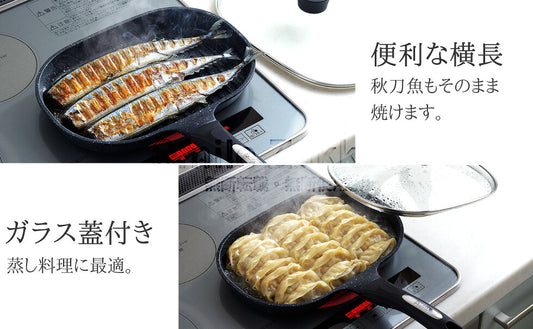
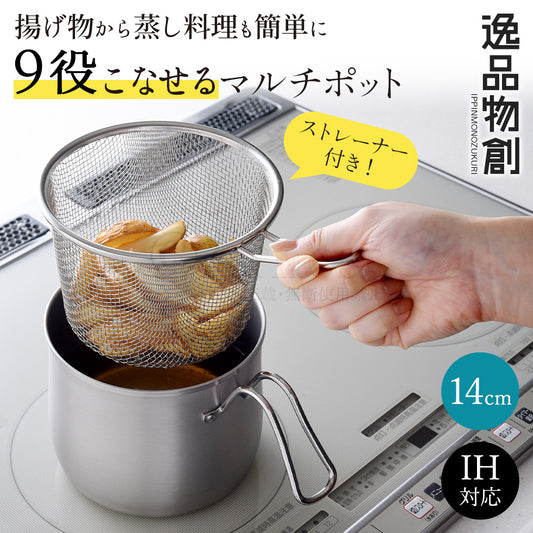
Arnest is a lifestyle product brand from the Tsubame-Sanjo region, with main products including kitchen tools, cookware, and creative household items. Products use different materials and manufacturing methods depending on the use, so the "Tsubame-Sanjo brand" should not be interpreted as meaning all products are made of the same material, in the same workshop, or by hand.
When purchasing an Arnest frying pan, grill plate, microwave cooker, or kitchen gadget, you should check:
- The country of origin indicated on the product.
- Materials used for the body, coating, handle, and accessories.
- Whether it is suitable for open flames, induction (IH), ovens, or microwaves.
- Heat resistance temperature and dishwasher restrictions.
- Suitable portion sizes, pot diameter, and storage dimensions.
How to identify genuine Tsubame-Sanjo products?
"Tsubame-Sanjo" can refer to the origin, industrial circle, brand story, or sales classification. Do not look only at the large text on the front; look for more specific information:
- Name and address of the manufacturer or seller.
- Labels such as "Made in Japan," "Made in Niigata Prefecture," "Made in Tsubame," or "Made in Sanjo."
- Which processes were completed locally.
- Steel grade, surface treatment, and usage instructions.
- Scope of local certification or origin marks.
- After-sales services such as repairs, sharpening, or parts replacement.
A company located in Tsubame-Sanjo that outsources production overseas is not necessarily low-quality; the key is whether the labeling is transparent and whether the product fits your specific needs.
5 Key points for buying Tsubame-Sanjo tableware
1. Material
Common stainless steel labels include 18-8, 18-10, etc., where the numbers relate to the chromium and nickel ratios. Material affects corrosion resistance, processing, and cost, but thickness, design, and grinding are just as important.
3. Edges
Gently touch the edges of the handle and the bowl of the spoon; they should be smooth without obvious burrs. The inside of fork tines and the joints of knives are tests of grinding detail.
3. Weight and balance
Heavy does not equal good. Everyday tableware must fit the palm, the plate, and the food; too heavy may cause fatigue, while too thin may bend easily.
4. Surface
Mirror finish is brilliant but shows fingerprints and fine scratches more easily; matte finish is understated, and daily wear is less noticeable. Choose according to your maintenance habits.
5. Usage scenario
Home, restaurant, children, camping, and gifting all have different requirements for size, durability, storage, and appearance—there is no need to blindly pursue the most expensive series.
6 Key points for buying Tsubame-Sanjo knives
- Purpose: Santoku is for general home use, Gyuto is for long cuts, Nakiri is for vegetables.
- Steel: Stainless steel is easier to maintain; high-carbon steel can have excellent edges but requires more rust prevention.
- Hardness: Higher hardness maintains sharpness but may be more prone to chipping.
- Blade type: Double-bevel is more common; single-bevel is more common in professional Japanese kitchen knives.
- Handle: Confirm size, grip, left/right-handedness, and cleaning method.
- After-sales: Does the brand provide sharpening, repairs, or handle replacements?
Do not use high-quality kitchen knives to chop bones, pry open cans, cut frozen food, or use them on glass cutting boards. Good knives aren't indestructible; their performance depends on proper maintenance.
Is Tsubame-Sanjo cookware always compatible with IH?
Not necessarily. Stainless steel comes in different structures, and the electromagnetic induction performance of copper, aluminum, enamel, and composite bases varies. Always check if the product clearly indicates compatibility with IH, open flames, ovens, or other heat sources.
Dry heating, sudden cooling, overheating, and using incorrect sizes can deform cookware or damage coatings.
Daily maintenance of metalware
Stainless Steel
- Wash with a neutral detergent and wipe dry as soon as possible after use.
- Handle water spots according to brand guidelines.
- Avoid prolonged contact with salt, acidic foods, and bleach.
- Store items with blades away from other metal to prevent collisions.
Copperware
- Use a soft sponge; avoid abrasive scrubbing.
- Color changes are usually a characteristic of the material.
- Do not remove the coloring layer with unknown chemicals.
- For food use, follow internal lining and brand maintenance instructions.
Coated cookware
- Avoid dry heating and high heat.
- Use wooden, silicone, or coating-safe tools.
- Evaluate for replacement when the coating is significantly peeled, deformed, or functionality declines.
What is the Tsubame-Sanjo Factory Festival?
The Tsubame-Sanjo Factory Festival is a regional event that connects factories, craftsmen, and the public. Participants can learn about the manufacturing scene through open factories, exhibits, workshops, and markets.
Dates, participating factories, booking methods, and safety rules vary each year. Factories are not theme parks; please wear appropriate footwear, respect photography restrictions, and do not touch machinery or workpieces without permission.
How to plan a one-day trip to Tsubame-Sanjo?
Start from Tsubame-Sanjo Station or nearby stations and select factories, industrial museums, roadside stations, and brand facilities based on your interests. Some locations are scattered and public transport is limited, so driving or taking a taxi is more flexible.
Tableware and Vessel Route
- Learn the history of Tsubame's metal tableware.
- Watch grinding, hammering, or vessel demonstrations.
- Compare feel and surface treatment at local shops.
Knife and Tool Route
- Visit Sanjo blacksmithing or tool exhibits.
- Book an open factory tour or workshop.
- Ask about sharpening and repair services before buying.
Outdoor Gear Route
- Visit brand facilities or headquarter parks.
- Compare stainless steel, titanium, iron, and aluminum products.
- Choose based on weight, packability, and heat sources rather than just brand name.
FAQ
Is Tsubame-Sanjo a city?
No. Tsubame-Sanjo usually refers to the metal processing industrial region formed by Tsubame and Sanjo in Niigata Prefecture, and is also the name of the Shinkansen station.
How are Tsubame and Sanjo divided?
Traditionally, Tsubame is known for Western-style metal tableware, vessels, and grinding, while Sanjo is known for forging, blades, and tools; modern supply chains are highly intertwined.
Why is Tsubame-Sanjo famous for metal crafts?
The industry developed from Edo-period nails and forging, transforming through tableware, tools, vessels, precision processing, and outdoor gear, forming a specialized network of workshops.
Does Tsubame-Sanjo account for 90% of global tableware?
Such high-percentage claims are common, but statistics may refer to different years, categories, production values, or volumes. Without consistent criteria, one should not treat "90% of the global market" as a precise conclusion.
Is a product "Made in Japan" if it says Tsubame-Sanjo?
Not necessarily. Tsubame-Sanjo can represent the brand's location or an industrial concept; you should check the country of origin, manufacturer, and specific process labels.
Can Tsubame-Sanjo knives go in the dishwasher?
It depends on the steel, handle, and brand instructions. High heat, strong alkaline detergents, and collisions may damage the blade; hand washing and wiping dry immediately is generally safer.
Is Tsubame-Sanjo suitable for independent travel?
It is suitable for travelers who love crafts, kitchenware, and outdoor gear, but attractions and factories are scattered and some require booking. Check transportation, opening days, and photography rules before setting off.
Conclusion: What is truly impressive is not a single famous product, but a supply chain
What is most worth understanding about Tsubame-Sanjo is not just the shiny tableware or sharp knives, but the ability to continuously repurpose technology for centuries. When the nail market vanished, craftsmen made tableware; as lifestyles changed, they brought their technology into precision parts and outdoor gear.
A Tsubame-Sanjo product may not have a single "master's story," but it gathers the expertise of mold, stamping, forging, welding, and grinding workshops. This invisible division of labor is the true core of Tsubame-Sanjo's metal craftsmanship.