Kyoto Century-Old Shop Citywalk | Yojiya, Aritsugu, Ippodo, Shoyeido, Rokkakudo One-Day Itinerary
分享
The most fascinating aspect of Kyoto's long-established shops is not just that they have been "open for many years," but that the same craftsmanship is still utilized in daily life today. Oil-blotting paper, kitchen knives, Japanese tea, incense, and flower arrangement—these seemingly disparate worlds can, with a bit of walking, form a cultural route stretching from Gion to the heart of Kyoto.
This Kyoto centenary-shop Citywalk starts from Gion: First visit Yojiya, cross the Kamo River to Aritsugu in Nishiki Market, continue along Teramachi-dori to Ippodo Tea Co., detour to Shoyeido, and finally wrap up at Rokkaku-do. The walk is approximately 5 to 6 kilometers; with shopping, tea, and temple visits, it is recommended to set aside half a day to a full day.
Branch locations, business hours, holidays, experiences, engraving services, and temple events are subject to change. Check official announcements for each shop and Rokkaku-do before departing; do not rely solely on the "Open" status shown on maps.
Kyoto Old Shop Citywalk Route Overview
| Order | Location | Founding/History | Highlights | Suggested Duration |
|---|---|---|---|---|
| 1 | Yojiya | Founded 1904 | Oil-blotting paper, skincare, and Kyoto souvenirs | 30–45 minutes |
| 2 | Aritsugu | Founded 1560 | Kyoto knives, kitchenware, engraving service | 45–60 minutes |
| 3 | Ippodo Tea Co. | Founded 1717 | Matcha, Gyokuro, Sencha, Hojicha | 45–90 minutes |
| 4 | Shoyeido | Founded 1705 | Incense, aromatic wood, incense culture | 30–60 minutes |
| 5 | Rokkaku-do | Ancient temple with long history | Heart of Kyoto, birthplace of Ikenobo flower arrangement | 30–45 minutes |
Where should this route begin?
The most atmospheric way is to start in Gion in the morning. Visit Yojiya before the crowds peak in Hanamikoji and the Shijo area, then cross the Kamo River toward Nishiki Market. Arriving at Aritsugu before noon helps avoid some of the market's congestion.
If you prefer to focus solely on tea, incense, and knives, you can begin in downtown Kyoto and omit the Gion section. In rainy or hot weather, use subways and buses for sections of the route rather than insisting on walking the entire way.
First Stop: Yojiya, Kyoto's Traditional Beauty Brand
Founded in 1904, Yojiya is famous for its geisha logo and oil-blotting paper. The brand originally served those working in Kyoto’s entertainment districts, theater, and film, helping to keep makeup pristine under stage lights and long work hours; it has since become a quintessential Kyoto souvenir.
What to buy at Yojiya?
- Oil-blotting paper: A classic entry-level item; compact and perfect as a gift.
- Seasonal designs: Packaging or scents may vary by season or store location.
- Hand and skincare products: Check the scents, skin type compatibility, and ingredients before purchasing.
- Makeup tools: Suitable for travelers who prioritize portability and everyday touch-ups.
How to use oil-blotting paper?
Gently press it against oily areas like the forehead, nose, and chin; avoid rubbing vigorously. Excessive removal of sebum is not necessarily healthier for the skin; those with dry or sensitive skin should use it according to their specific needs.
Are items the same at all branches?
Not necessarily. Items, café offerings, and experiences at the Gion, Sagano, airport, or pop-up stores may differ. If you are looking for limited-edition items, check the inventory and availability for that specific location before setting out.
Photography Etiquette
Gion is a place where local residents and business owners live and work. Do not block narrow private paths, chase down geiko or maiko, touch the curtains of machiya houses, or treat shop entrances as long-term photo studios.
Walking from Gion to Nishiki Market
Walk west along Shijo-dori, cross the Kamo River via the Shijo Bridge, and proceed toward the Nishiki Market area. You will pass through the Kawaramachi and Shinkyogoku shopping districts, which are convenient for grabbing a drink or using a restroom.
Nishiki Market’s aisles are narrow and often extremely crowded after midday. Eating while walking can lead to collisions; purchase snacks and consume them only in designated areas provided by the shops.
Second Stop: Aritsugu, from Swords to the Kitchen of Kyoto
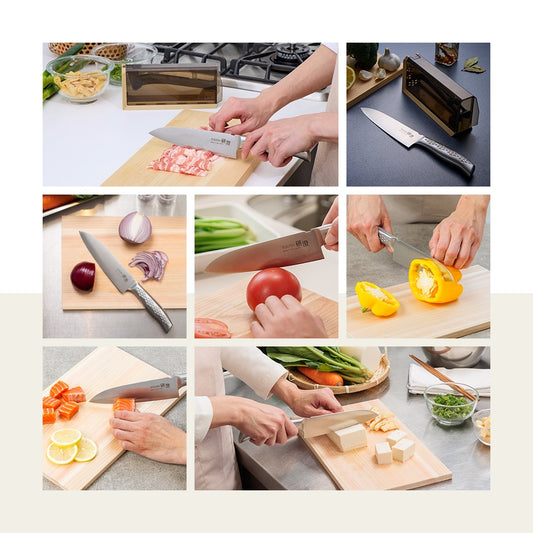
Founded in 1560, Aritsugu originally produced swords before shifting toward culinary knives, pots, molds, and kitchenware. The Kyoto shop is located in Nishiki Market and is a staple for both professional chefs and home cooks.
Which Japanese knife should a beginner choose?
- Santoku: Suitable for meat, fish, and vegetables; ideal for general home use.
- Gyuto (Chef's knife): Longer blade, suitable for meat and processing large ingredients.
- Nakiri: Flat-edged, specifically designed for vegetables.
- Deba: Thick and heavy, primarily for fish preparation; not a bone-cleaver.
- Yanagiba: Designed for slicing sashimi; usually single-beveled and requires specific technique.
Can Aritsugu knives be engraved?
Some knives offer engraving services, though eligible items, language, characters, costs, and wait times are subject to change. Confirm the exchange policy, orientation, and font style before purchasing.
How to choose between carbon steel and stainless steel?
| Carbon Steel | Stainless Steel |
|---|---|
| Easier to sharpen to a fine edge, but prone to rust | Easier for daily maintenance, though still requires drying |
| Must be cleaned immediately after cutting acidic foods | Suitable for busy households |
| May develop a natural, aged patina | Hardness and toughness vary by steel type |
What to avoid when testing knives?
Do not unsheathe, touch the blade, swing, or allow children to handle knives. Explain your intended use, dominant hand, cutting board type, and maintenance habits to the staff, and let them demonstrate the grip and weight.
Can I bring knives back from Japan?
Kitchen knives must be properly packed and placed in checked luggage; they are strictly prohibited in carry-on items. Airline, customs, and local laws regarding weapon/tool transport vary; check regulations both before you travel and prior to purchase to avoid entering prohibited areas with a blade.
Choosing lunch in Nishiki Market
If you want to save time for traditional shops, opt for a sit-down meal featuring set meals (teishoku), soba, or simple ochazuke rather than queuing at multiple snack stalls. After lunch, head toward the Teramachi-Nijo area, where the streets shift from bustling commercial hubs to the quieter parts of central Kyoto.
Third Stop: Ippodo Tea Co., Discovering More Than Just Matcha
Founded in 1717, Ippodo Tea Co.'s Kyoto flagship is famous for its retail selection and tea-tasting experience. Their range includes matcha, gyokuro, sencha, bancha, and hojicha, each with distinct flavor profiles, brewing temperatures, and contexts.
How to choose your first Japanese tea?
| Tea Type | Flavor Profile | Recommended For |
|---|---|---|
| Matcha | Rich, savory, with a hint of bitterness | Tea ceremony fans, lattes, or dessert pairings |
| Gyokuro | Strong umami, thick texture | Those who enjoy slow, low-temperature brewing |
| Sencha | Refreshing, balance of sweetness and astringency | Daily drinking and beginners |
| Hojicha | Roasted aroma, mellow taste | Those who dislike strong "grassy" notes |
| Bancha | Casual, rustic, pairs well with meals | Those seeking an everyday, home-style tea |
Why use low-temperature water for Gyokuro?
Lower water temperatures highlight the umami (savory) notes and reduce astringency. Using boiling water isn't dangerous, but the flavor may become overly bitter. Staff can provide the ideal ratio, water temperature, and time for each tea variety.
Is "greener" matcha always better?
Color is influenced by cultivar, shading, grinding, storage, and lighting; do not judge quality solely by a vibrant green hue. Consider aroma, umami, bitterness, intended use, and the expiration date.
What to keep in mind when bringing tea home?
- Matcha is sensitive to light, heat, moisture, and odors once opened.
- Large bags are not always economical; choose a size based on how quickly you will consume it.
- Tea is not shelf-stable forever; always check the "best by" date.
- Store in an airtight container away from spices or incense.
Do I need a reservation to drink tea at the flagship?
Reservation policies for tea service, classes, or specific experiences may change, and wait times can be long during peak season. If tea-tasting is the highlight of your trip, check the official website first; otherwise, leave time to have staff explain brewing methods.
Fourth Stop: Shoyeido, Understanding Kyoto Through Scent
Founded in 1705, Shoyeido is renowned for incense, aromatic wood, and the art of "Kodo" (the way of incense). The store is located in the Karasuma-Nijo area, an easy walk from Ippodo.
Difference between incense and perfume?
Incense is burned to disperse scent through smoke and air, evolving over time, whereas perfume is applied to the body or space. Japanese incense often uses sandalwood, agarwood, herbs, and blended spices to create complex layers.
How to choose your first incense?
- Daily short sticks: Suitable for casual home use.
- Low-smoke type: Suitable for smaller rooms or those sensitive to smoke.
- Sandalwood-based: Warm, woody, and very approachable.
- Agarwood-based: Deep complexity; price points vary significantly.
- Incense holder/plate: Ensure it fits the length of the stick and catches ash effectively.
Can I light incense in the store to sample?
Do not light incense yourself. Shops may provide scent samples or demonstrations managed by staff. Avoid wearing strong perfume when sampling, and do not place your nose directly against burning incense.
What is Kodo?
Kodo is more than just "smelling good incense." It is a discipline involving aromatic wood, tools, rituals, and games designed to appreciate subtle scents. "Kiko" (listening to incense) is the term often used, emphasizing quiet concentration on the nuances of the fragrance.
Can I burn incense in my hotel room?
Generally, no. Most hotels prohibit smoking and open flames, and smoke may trigger fire alarms. Enjoy it when you return home in a ventilated, stable area away from flammable objects.
Fifth Stop: Rokkaku-do, the Ancient Temple at the Heart of Kyoto
Rokkaku-do, officially known as Shiun-zan Choho-ji, is named for its hexagonal main hall. The temple's origins are traditionally linked to Prince Shotoku, though early history is based on records rather than absolute archaeological certainty.
Rokkaku-do is also deeply connected to Ikenobo and Japanese flower arrangement culture. It is said that monks living in residences (bo) near the temple pond developed the tradition of floral offerings, which eventually blossomed into the Ikenobo school.
What is the "Kyoto Navel Stone"?
The "Heso-ishi" on the temple grounds is considered a symbol of the center of Kyoto. While tied to urban lore and legends, it should be viewed as a cultural symbol rather than a modern scientific measurement.
Visit Etiquette
- Maintain silence; be mindful of religious ceremonies and no-photography zones.
- Do not touch Buddha statues, offerings, or closed buildings.
- Goshuin (temple seals) are certificates of pilgrimage, not mere souvenir stamps.
- Check regulations regarding photography in the hall and Ikenobo facilities.
- Do not feed animals or block access for worshippers.
Why leave Rokkaku-do for last?
Coming from the world of incense and Kodo back to the temple space makes it easier to understand that these Kyoto businesses are not independent "brand stories," but are deeply intertwined with religion, Machiya architecture, tea, flower arranging, and daily life.
Rokkaku-do is located in the city center, making it easy to find dining options in Karasuma-Oike, Shijo-Karasuma, or Kawaramachi afterward.
Recommended Route Schedule
- 09:30 Shopping at Yojiya, Gion.
- 10:30 Walk across Shijo Bridge toward Nishiki Market.
- 11:15 Select knives or kitchenware at Aritsugu.
- 12:15 Lunch near Nishiki Market.
- 13:30 Walk north along Teramachi-dori to Ippodo Tea Co.
- 15:00 Walk to Shoyeido.
- 16:00 Visit Rokkaku-do.
- 17:00 Dinner in the Karasuma or Shijo area.
This is a sample schedule. If you plan to have a tea service, have an engraving done at Aritsugu, or participate in an incense experience, cut back on other shopping stops to avoid rushing.
Half-Day Express Version
With only half a day, focus on "Aritsugu → Ippodo → Shoyeido → Rokkaku-do" within central Kyoto. Use subways between stops to save time, which is especially useful on rainy days, in summer, or for seniors.
Rainy Day Tips
- Take a bus or taxi for the Gion-to-Nishiki section.
- Utilize covered shopping arcades like Shinkyogoku, Teramachi, and parts of Nishiki.
- Prioritize indoor experiences like Ippodo's tea service or incense workshops.
- Carry a cover for your wet umbrella and dry it before entering shops.
- Paved streets, temple steps, and market floors can be slippery; wear shoes with good traction.
Summer Version
Kyoto’s basin geography makes for hot and humid summers. Do your outdoor walking in the morning, and prioritize shops and tea houses in the afternoon. Hydrate every hour—don't wait until you are thirsty. If you feel dizzy, nauseous, or unusually fatigued, rest and cool down immediately.
Budgeting for Shopping
| Category | Budget Notes | Recommendation |
|---|---|---|
| Oil paper/Skincare | Low barrier to entry; great for gifts | List recipients beforehand to avoid over-buying |
| Knives | Wide price range; factor in sharpening/care | Buy one for your specific need; don't chase the most expensive |
| Japanese Tea | Price influenced by quality, harvest, and size | Buy smaller quantities of various types |
| Incense | Varies from daily sticks to rare woods | Choose the scent you like first before considering collectibles |
Beyond Founding Dates: A Smarter Way to Shop
A founding date signifies longevity, not that every item is made using centuries-old techniques. Long-standing shops adapt by launching modern products, outsourcing production, using new materials, or adjusting their business models.
The questions worth asking are:
- Where is this item manufactured?
- Which parts of the process are performed by the shop or their craftspeople?
- Is it for daily use or collection?
- What kind of maintenance does it require?
- Can it be repaired or restocked after I return home?
Kyoto Citywalk Etiquette
- Walk in single file or to the side to avoid blocking narrow streets.
- Do not photograph staff, craftspeople, or other customers without permission.
- Private machiya entrances and alleys are not public photo studios.
- Consume food only in designated areas; do not eat while walking.
- Ask before touching knives, tea canisters, or incense.
- Carry your trash with you or dispose of it where you made the purchase.
- Do not drag large suitcases into crowded markets.
FAQ
How long does the Kyoto centenary-shop Citywalk take?
Connecting the five sites from Gion involves about 5–6 km of walking. Including shopping, tea, and lunch, allow 5 to 7 hours.
How to choose between Tsubame-Sanjo knives and Aritsugu?
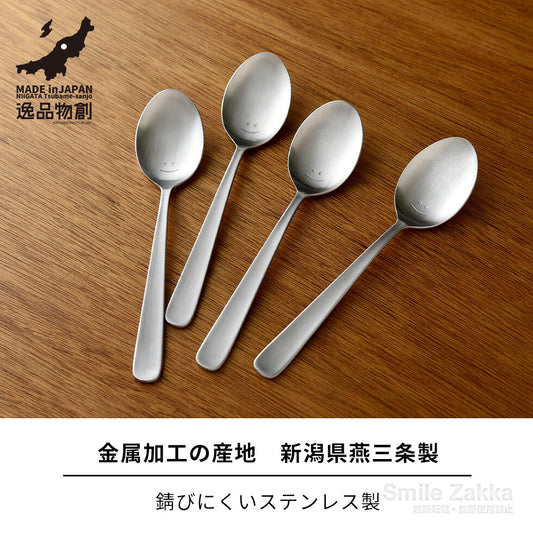
Tsubame-Sanjo represents the industrial manufacturing hub in Niigata, while Aritsugu is a traditional Kyoto brand. Compare based on specific steel type, knife geometry, manufacturing process, and after-care rather than just location.
Is same-day engraving available at Aritsugu?
Some items can be engraved, but feasibility, language support, and wait times vary. Confirm with staff at the time of purchase.
Is Ippodo only for matcha?
No. Ippodo offers gyokuro, sencha, bancha, and hojicha, which can be selected based on taste and brewing habits.
Can I use Shoyeido incense in a hotel?
Generally, no. Most hotels prohibit open flames and smoking; smoke can trigger fire alarms.
Is there an admission fee for Rokkaku-do?
Standard access is generally open, but special exhibitions or events may have fees. Check the official announcements for the day of your visit.
Is this route suitable for Wednesdays or holidays?
Business hours and holidays vary by shop. National holidays and Kyoto events also impact crowds. Always verify each stop before departing; do not assume they are open daily.
Can I walk this route with large luggage?
Not recommended. Nishiki Market, Gion, and shop interiors are cramped. Use hotel luggage storage, station lockers, or professional luggage forwarding services.
Conclusion: Kyoto's Time, Not Just Hidden in Temples
Yojiya turned entertainment-district needs into modern beauty; Aritsugu brought sword-forging techniques to the kitchen; Ippodo returned tea to daily life; Shoyeido transformed scent into culture; and Rokkaku-do connects temples, the city, and flower arrangement.
The best souvenirs from this route aren't necessarily the most expensive knives or tea, but the knowledge gained by asking: How is it used, how is it maintained, and why has it lasted in Kyoto until today?